15 Gifts For The Built-In Cooker And Hob Lover In Your Life


The Comprehensive Guide to Built-In Cookers and Hobs
Built-in cookers and hobs have actually ended up being progressively popular in contemporary cooking areas, providing both performance and visual appeal. These integrated appliances, created to fit perfectly into kitchen cabinets, optimize area while improving the cooking experience. This short article will check out the various types of built-in cookers and hobs, their advantages, upkeep ideas, and frequently asked concerns.
Understanding Built-In Cookers and Hobs
Built-in cookers typically include ovens, while hobs describe the cooking surface area that can integrate various heating components such as gas burners, electric coils, or induction zones. When integrated, these two appliances create an effective and streamlined cooking setup.
Types of Built-In Cookers and Hobs
When picking a built-in cooker and hob, it's vital to understand the different types readily available. Here's a detailed table comparing the primary types:
| Type | Description | Pros | Cons |
|---|---|---|---|
| Gas Hob | Uses gas as a fuel source. | Quick heat modification, cooking control. | Needs gas line setup. |
| Electric Hob | Uses electric coils or solid plate heating. | Generally cheaper, easy to clean. | Slower to heat and cool down. |
| Induction Hob | Utilizes electromagnetic energy for cooking. | Quick heating, energy-efficient, safe. | Costly, requires compatible pots and pans. |
| Built-In Oven | Can be electric, gas, or mix. | Flexible cooking options, various sizes. | Repaired location, possible installation complexity. |
Advantages of Built-In Cookers and Hobs
- Space-Saving Design: Built-in systems save space by integrating seamlessly into the kitchen layout, leaving more room for storage and countertops.
- Visual Appeal: They offer a sleek and contemporary appearance, raising the design of any kitchen.
- Modification: With various styles and setups, house owners can select appliances that best suit their cooking practices and kitchen measurements.
- Enhanced Functionality: Built-in cookers often include advanced functions such as self-cleaning choices, numerous cooking modes, and programmable timers.
- Safety Features: Modern hobs include functions like automatic shut-off and child locks, improving security in the kitchen.
Upkeep Tips for Built-In Cookers and Hobs
To guarantee the durability and optimal performance of built-in cookers and hobs, appropriate maintenance is essential. Below are necessary maintenance suggestions:
- Regular Cleaning: Wipe spills and spots instantly to avoid them from hardening or ending up being more difficult to clean.
- Use Appropriate Cleaning Supplies: Avoid abrasive products that can scratch surface areas. Use cleaner particularly created for the kind of home appliance you have.
- Examine Gas and Electrical Connections: Regular inspections can avoid leaks and make sure optimal efficiency.
- Adjust Temperature Settings: If you see disparities in cooking temperature levels, think about recalibrating the oven.
- Schedule Professional Servicing: Annual check-ups can assist determine and remedy small concerns before they intensify.
Selecting the Right Built-In Cooker and Hob
When choosing a built-in cooker and hob, several aspects must be considered:
1. Cooking Preferences:
- If you take pleasure in quick temperature level adjustments, a gas hob might be ideal.
- For energy effectiveness and uniform cooking, induction hobs are preferred.
2. Kitchen Size:
- Consider the space readily available for installation. Procedure cabinets and other appliances to guarantee the chosen unit fits easily.
3. Design and style:
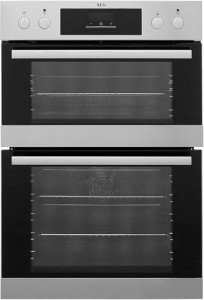
- Opt for designs that complement your kitchen's décor. Double oven & hobs electric built in -in units can be found in numerous surfaces, such as stainless-steel, black, or custom cabinetry.
4. Budget:
- Establish a spending plan that consider purchase expenses, installation fees, and long-term operating costs.
5. Brand Reputation:
- Research reputable brands known for reliability and customer service. Checking out evaluations and looking for suggestions can also be handy.
Often Asked Questions (FAQs)
Q1: Are built-in cookers and hobs more costly than traditional units?A1: Generally, built-in cookers and hobs can be more costly upfront due to installation and design. However, they may use long-lasting cost savings through energy performance.
Q2: Can I set up a built-in cooker or hob myself?A2: While some may be installed by homeowners, it is often advised to hire a professional, especially for gas or complex electrical connections, to guarantee safety and compliance with regional codes.
Q3: What is the average lifespan of built-in cookers and hobs?A3: With proper care, built-in cookers and hobs can last anywhere from 10 to 15 years. Regular maintenance can extend their life.
Q4: Is it possible to combine different kinds of hobs with the same oven?A4: Yes, lots of kitchens feature a mix of hobs (e.g., gas and induction) together with a built-in oven, permitting flexible cooking choices.
Q5: How do I know if my hob is energy-efficient?A5: Look for energy efficiency scores and consider induction hobs, which normally provide remarkable energy efficiency compared to gas or conventional electric hobs.
Built-in cookers and hobs offer a blend of contemporary style and advanced cooking technology, enhancing any kitchen's functionality and design. By understanding the various types readily available, their advantages, and maintenance requirements, property owners can make educated choices when buying these vital kitchen appliances. With correct selection and care, built-in cookers and hobs can supply years of enjoyable cooking and a smooth kitchen experience.